What Is a Drainage Easement and How Does It Affect Your Property?
If you've ever reviewed a property survey, title report, or plat map and noticed a shaded strip labeled "drainage easement," you may have wondered what it actually means for your rights as a homeowner. A drainage easement is one of the most common — and most commonly misunderstood — encumbrances on residential property. It can dictate what you build, where you landscape, and how stormwater moves across your lot.
Understanding drainage easement rights is essential whether you're buying a home, planning an addition, installing a fence, or simply trying to figure out why water pools in a particular part of your yard. This guide breaks down exactly what a drainage easement is, who holds the rights, what restrictions apply, and how to protect your property and your investment.
How a Drainage Easement Works
A drainage easement is a legal right granted to a specific party — typically a municipality, utility district, homeowners association (HOA), or neighboring property owner — to use a defined portion of your land for the conveyance, management, or storage of stormwater. The easement doesn't transfer ownership of the land. You still own the property beneath it. But it does impose significant restrictions on what you can do within that designated area.
Drainage easements exist because water doesn't respect property lines. When a subdivision is designed, civil engineers map out how stormwater will flow from higher elevations to lower ones, through swales, pipes, detention areas, and eventually into public storm sewer systems or natural waterways. The paths that water must follow often cross through private lots. Without a legal mechanism to protect those flow paths, individual homeowners could inadvertently — or intentionally — block drainage and cause flooding on neighboring properties or public infrastructure.
The easement is typically recorded in the property's deed, referenced on the subdivision plat, or documented in a separate easement agreement filed with the county recorder's office. It specifies the exact dimensions and location of the easement area, the party that holds the easement rights (the "grantee"), and the general purpose of the easement. Some easements also include specific language about maintenance responsibilities, access rights, and prohibited activities.
Most residential drainage easements range from 10 to 30 feet in width, though some can be much wider depending on the drainage infrastructure they protect. They commonly run along rear or side lot lines, follow natural drainage channels, or trace the path of underground storm sewer pipes.
Types of Drainage Easements on Residential Property
Not all drainage easements are created equal. The type of easement on your property determines who holds the rights, what infrastructure may be present, and what rules you need to follow.
Public Drainage Easements
Public drainage easements are granted to a government entity — a city, county, or special drainage district. These are the most common type found in planned subdivisions. They typically protect public storm sewer lines, roadside ditches, regional detention facilities, or overland flow paths that are part of the community's stormwater management system. The municipality has the right to access the easement area to inspect, maintain, repair, or replace drainage infrastructure. In many jurisdictions, the municipality also has the right to clear obstructions — including structures, fences, or landscaping — that a homeowner has placed within the easement, sometimes at the homeowner's expense.
Private Drainage Easements
Private drainage easements grant rights to another private party, such as a neighboring property owner, a developer, or an HOA. These are common in situations where one lot naturally drains across another, or where a shared drainage system serves multiple properties. Private easements are governed by the specific language in the easement agreement rather than by municipal ordinance, which means the terms can vary widely. Disputes over private drainage easements — particularly regarding maintenance responsibilities — are among the most common property conflicts in residential real estate.
Prescriptive and Implied Drainage Easements
In some cases, a drainage easement may exist even if it isn't formally recorded. A prescriptive easement can arise when a drainage pattern has been in continuous, open use for a statutory period (often 10 to 20 years, depending on the state). An implied easement may be recognized when a property is subdivided and the drainage pattern was clearly established and necessary at the time of division. These informal easements are legally enforceable but can be difficult to define precisely, which often leads to litigation.
Blanket Drainage Easements
Some subdivisions include blanket drainage easements that apply to an entire lot or large portions of it, rather than a specific strip. These are less common but can be particularly restrictive. They're sometimes used in developments with extensive overland flow paths or in areas prone to flooding where the entire lot may periodically convey or store stormwater.
What You Can and Cannot Do Within a Drainage Easement
This is the question that matters most to homeowners: what are the practical restrictions? The answer depends on the specific language of your easement, your local ordinances, and the type of infrastructure within the easement. However, there are widely applicable general rules.
Typically Prohibited Activities
Most drainage easements prohibit any activity that could obstruct, divert, or impede the flow of stormwater. This includes:
- Constructing permanent structures — sheds, garages, additions, retaining walls, patios, and in-ground pools are almost universally prohibited within a drainage easement. Building permits will typically be denied for any structure that encroaches into an easement area.
- Altering the grade — filling, grading, or excavating within the easement can change the drainage pattern and is usually prohibited without written approval from the easement holder.
- Installing fences — solid fences that block water flow are typically not allowed. Some jurisdictions permit open-style fences (such as wrought iron or split rail) within drainage easements, but this varies.
- Planting large trees — trees with extensive root systems can damage underground pipes and obstruct surface flow channels. Many easement agreements restrict or prohibit tree planting within the easement area.
- Placing fill material or debris — dumping soil, mulch, yard waste, or other materials within the easement can obstruct flow and is generally prohibited.
Generally Permitted Activities
Within most drainage easements, homeowners are allowed to:
- Maintain turf grass — mowing, fertilizing, and maintaining a lawn within the easement is almost always permitted and often expected.
- Plant shallow-rooted ground cover — low-growing plants, ornamental grasses, and ground covers that won't obstruct flow or damage pipes are usually acceptable.
- Walk across the area — the easement restricts construction and alteration, not general use of the land.
- Install removable items — temporary or easily movable items like garden furniture, portable play equipment, or seasonal decorations are typically fine.
Gray Areas That Require Permission
Some activities fall into a gray area and require you to check your specific easement language or contact the easement holder:
- Installing a driveway that crosses the easement
- Building a deck with footings near or within the easement boundary
- Planting ornamental trees or shrubs within the easement
- Installing irrigation systems that cross underground drainage infrastructure
- Adding landscape lighting with buried electrical conduit
When in doubt, contact the easement holder (your city engineering department, HOA, or the neighboring property owner) before making any changes within the easement area. Getting written approval protects you from enforcement actions later.
How Drainage Easement Rights Are Established and Enforced
Understanding how drainage easement rights come into existence helps clarify who has authority and what recourse is available when conflicts arise.
Creation During Subdivision
The most common way drainage easements are created is during the subdivision and development process. When a developer submits a subdivision plat for approval, the local jurisdiction requires that stormwater management infrastructure be designed and that easements be dedicated to protect that infrastructure in perpetuity. These easements are shown on the recorded plat and referenced in every deed for every lot in the subdivision. They run with the land, meaning they bind every future owner regardless of whether the owner was aware of them at the time of purchase.
Creation by Separate Agreement
Drainage easements can also be created by a standalone easement agreement between two parties — for example, between neighboring property owners or between a homeowner and a municipality. These agreements are recorded with the county and typically include a legal description of the easement area, a statement of purpose, and terms regarding maintenance, access, and liability.
Enforcement Mechanisms
When a homeowner violates the terms of a drainage easement, the easement holder has several enforcement options:
- Notice and demand — The easement holder sends a written notice demanding that the homeowner remove the obstruction or restore the easement area.
- Self-help — In many jurisdictions, municipalities have the legal authority to enter the easement, remove obstructions, and bill the homeowner for the cost.
- Injunctive relief — The easement holder can seek a court order requiring the homeowner to comply with the easement terms.
- Damages — If an easement violation causes flooding or property damage to others, the violating homeowner may be liable for monetary damages.
Enforcement of private drainage easements is generally more complicated and expensive than enforcement of public easements, because the private easement holder must typically pursue legal action through the courts rather than relying on municipal code enforcement.
How to Find Drainage Easements on Your Property
Many homeowners don't know whether their property has a drainage easement — or where exactly it's located — until they try to build something and are denied a permit. Here's how to find out proactively.
Review Your Survey and Plat
The most reliable source of easement information is a current boundary survey or the recorded subdivision plat. A professional survey will show all recorded easements as dashed lines with labels indicating the type, width, and recording reference. The subdivision plat — available from your county recorder or planning department — shows easements as they were originally dedicated during development.
If you purchased your home recently, your closing documents likely included a survey or a title commitment that references easements. Look for Schedule B of the title commitment, which lists all exceptions to coverage — easements are almost always listed there.
Check Your Deed and Title Report
Your property deed may reference drainage easements directly or incorporate them by reference to the subdivision plat. A full title search will reveal all recorded easements, including those created by separate agreement that may not appear on the plat.
Contact Your Local Municipality
Your city or county engineering department, stormwater utility, or planning department can often provide information about public drainage easements on your property. Many jurisdictions maintain GIS systems that display easement locations overlaid on aerial imagery. Some municipalities also maintain as-built drawings showing the exact location of underground storm sewer infrastructure within easements.
Use Elevation and Topographic Data
While easements are legal instruments rather than physical features, understanding your property's topography can help you identify likely drainage paths. Tools like the USGS National Map Viewer provide elevation data that can reveal natural drainage patterns, swales, and low points that may correspond to drainage easements. This topographic context is especially useful when easement boundaries on older surveys are vague or when you're evaluating a property before purchase.
Drainage Easements and Property Value
A drainage easement's impact on property value depends on its size, location, and how much it restricts the usable area of the lot. In many cases, the impact is minimal — a 15-foot rear-yard easement on a large lot may not significantly affect the property's utility or marketability. But in other situations, easements can be a major concern.
When Easements Significantly Affect Value
- Large easements on small lots — If a drainage easement consumes a substantial percentage of the buildable area, it can limit expansion options and reduce the lot's effective size.
- Easements through the center of a lot — Rear and side easements are expected and generally well-tolerated by buyers. An easement that bisects the lot or runs through the front yard is more impactful.
- Easements with visible infrastructure — Open channels, concrete swales, or large inlet structures within an easement are more visually intrusive than underground pipes.
- Easements with active drainage problems — If the easement area is frequently wet, eroded, or flooded, it can be a red flag for buyers and may indicate maintenance issues.
- Blanket easements — Easements that cover the entire lot or very large portions of it can severely restrict what a homeowner can do with the property.
Disclosure Requirements
In most states, sellers are required to disclose known easements to potential buyers. However, easements recorded in the public record are generally considered constructive notice — meaning the buyer is legally deemed to know about them whether or not the seller specifically discloses them. This is one reason why obtaining a title search and survey before closing is so important.
Mortgage and Insurance Implications
Lenders typically require a title insurance policy that identifies easements. If a proposed structure would encroach into a drainage easement, the lender may refuse to finance the purchase or require the encroachment to be resolved before closing. Homeowners insurance policies generally do not cover damage caused by the homeowner's own alteration of drainage easements — for example, if you fill in a swale within an easement and the resulting flooding damages your neighbor's property, your insurer may deny the claim.
Maintenance Responsibilities: Who Takes Care of What?
Maintenance is the single most contentious issue surrounding drainage easements. The general rule is straightforward in theory but messy in practice.
The General Rule
For public drainage easements, the municipality is typically responsible for maintaining the drainage infrastructure — pipes, inlets, headwalls, and engineered channels. The homeowner is typically responsible for maintaining the surface — mowing grass, keeping the area free of debris, and not obstructing flow. However, the line between "infrastructure" and "surface" isn't always clear. Who is responsible for a failing concrete swale? A collapsing pipe that causes a sinkhole in your yard? An eroding ditch bank? The answer varies by jurisdiction and by the specific language of the easement.
For private drainage easements, the maintenance responsibilities are defined by the easement agreement. If the agreement is silent on maintenance, the default rule in most states is that the easement holder (the party who benefits from the drainage) is responsible for maintaining the drainage infrastructure, while the property owner (the "servient estate") is responsible for not interfering with it. But "not interfering" is a passive obligation — it doesn't necessarily mean the property owner must actively maintain anything.
Common Maintenance Disputes
- Clogged pipes or inlets — Homeowners often discover that a storm sewer pipe within an easement on their property has become clogged with sediment or roots. The municipality may claim the homeowner caused the clog (by planting trees too close, for example), while the homeowner argues the pipe is the municipality's responsibility.
- Erosion in swales or ditches — Surface drainage channels within easements can erode over time, especially if upstream development has increased runoff volumes. Determining who is responsible for repairing the erosion — and who caused it — can be complicated.
- Overgrown vegetation — Municipalities may issue notices requiring homeowners to clear vegetation from drainage easements, even if the homeowner didn't plant the vegetation.
- Failed infrastructure — When a pipe collapses or a headwall deteriorates, the cost of repair can be substantial. If the municipality's capital improvement budget doesn't prioritize the repair, the homeowner may be left with a non-functional drainage system on their property for an extended period.
Protecting Yourself
The best way to protect yourself is to understand your maintenance obligations before you buy the property. Request a copy of the easement agreement, ask the municipality about their maintenance policies, and inspect the easement area for signs of deferred maintenance — standing water, erosion, sinkholes, or exposed pipe. If you're buying in a subdivision with an HOA, review the HOA's governing documents to understand whether the association has any drainage maintenance obligations.
Modifying or Removing a Drainage Easement
Homeowners sometimes want to modify or eliminate a drainage easement — perhaps to build an addition, install a pool, or simply reclaim usable yard space. This is possible in some cases but is rarely simple.
Easement Vacation or Abandonment
A public drainage easement can be "vacated" (formally abandoned) by the municipality through a legal process that typically involves a public hearing, a determination that the easement is no longer needed for its original purpose, and a formal resolution or ordinance. This process can take months and is only granted when the municipality is satisfied that vacating the easement will not create drainage problems.
A private drainage easement can be released by the easement holder through a recorded release or quitclaim. Both parties must agree, and the release must be recorded with the county to be effective.
Easement Relocation
In some cases, it's possible to relocate a drainage easement rather than eliminate it. This typically requires the homeowner to design and construct an alternative drainage path at their own expense, obtain engineering approval from the municipality, and record a new easement in the relocated position while vacating the original. This can be a viable option when the homeowner wants to build in the current easement area and an alternative drainage route is feasible.
Practical Considerations
Before pursuing modification or removal of a drainage easement, consider:
- Engineering feasibility — Can stormwater be effectively conveyed through an alternative path? An engineer must analyze the drainage area, flow volumes, slopes, and downstream conditions.
- Cost — Relocating drainage infrastructure (pipes, inlets, channels) and recording new easements can cost tens of thousands of dollars.
- Downstream impacts — Any change to the drainage pattern must not increase flooding or erosion on downstream properties. This is both a legal requirement and an ethical obligation.
- Regulatory approval — Municipalities are cautious about modifying drainage easements because the consequences of getting it wrong can be severe. Expect a thorough review process.
- Title implications — Modifying an easement affects the title to your property and potentially to neighboring properties. Title insurance companies and lenders will need to be involved.
Drainage Easements and the Civil Law of Water Flow
Drainage easements don't exist in a legal vacuum. They operate within a broader framework of water law that governs how property owners must manage stormwater. Understanding this context helps explain why drainage easements exist and why they're enforced so rigorously.
The Common Enemy Doctrine vs. the Civil Law Rule
In the United States, states generally follow one of two legal doctrines regarding surface water drainage:
- The Common Enemy Doctrine — Surface water is considered a "common enemy" that each property owner can repel as they see fit, including by grading, filling, or diverting water onto neighboring properties. This doctrine has been significantly modified in most states that follow it, with courts imposing a "reasonable use" limitation.
- The Civil Law Rule (Natural Flow Rule) — Each property owner must accept the natural flow of surface water from higher-lying properties and cannot obstruct or divert that flow to the detriment of neighboring properties. Lower-lying properties have a servitude (obligation) to accept natural drainage from above.
Most states have adopted a hybrid approach that incorporates elements of both doctrines, generally requiring that property owners act reasonably and not unreasonably increase or concentrate the flow of water onto neighboring properties. Drainage easements formalize and clarify these obligations by defining exactly where water is supposed to flow and who has the right to maintain that flow path.
Liability for Altering Drainage
Regardless of which doctrine your state follows, altering the drainage pattern within a drainage easement — or anywhere on your property, for that matter — can expose you to significant liability. If you fill a swale, block a pipe, or regrade your yard in a way that causes flooding on a neighbor's property, you can be held liable for the resulting damages. Courts have consistently held that homeowners who obstruct established drainage patterns bear responsibility for the consequences.
This is particularly important for homeowners who are tempted to address their own drainage problems by diverting water onto a neighbor's property. Even if you're dealing with water that originates upstream, you generally cannot redirect it in a way that concentrates or increases the flow onto your neighbor's land.
Practical Tips for Living With a Drainage Easement
Drainage easements are a permanent feature of most residential properties in developed subdivisions. Rather than viewing them as a burden, consider them a defined framework that protects both you and your neighbors from drainage problems. Here are practical strategies for making the most of your property while respecting easement restrictions.
Work With Your Easement, Not Against It
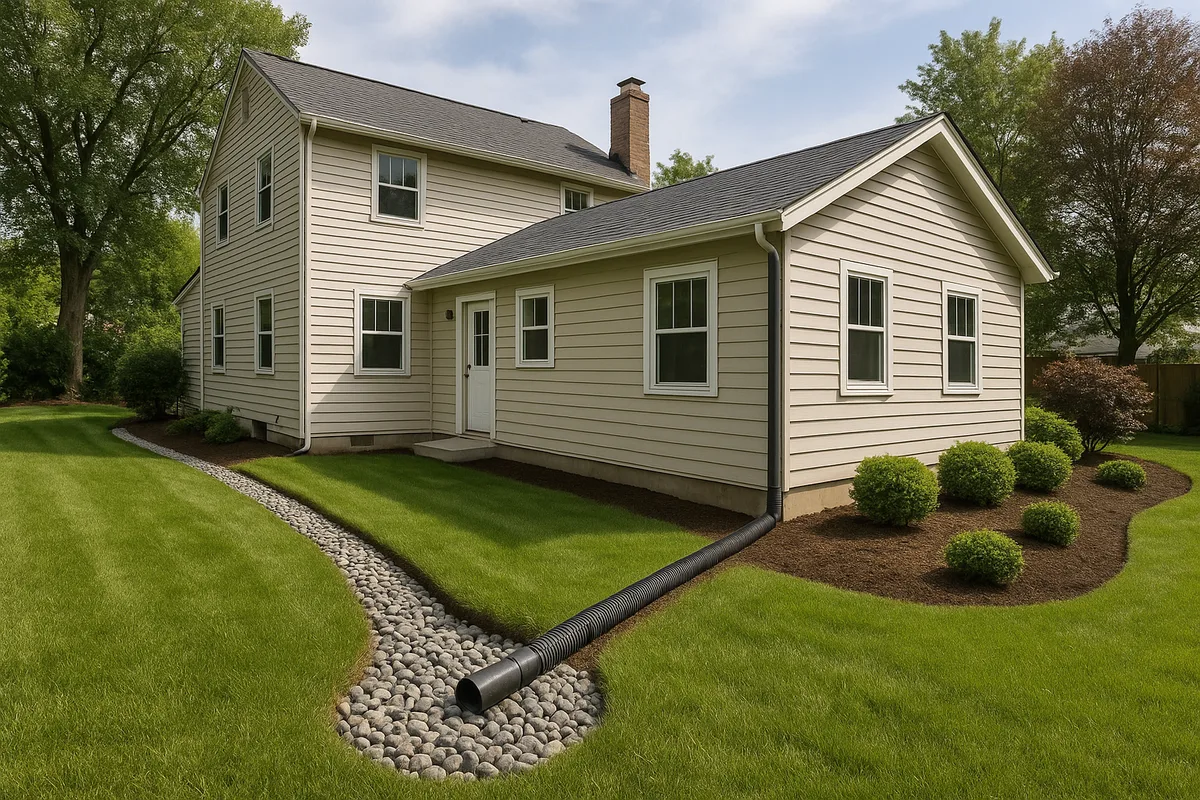
Instead of fighting the easement, incorporate it into your landscape design. Drainage swales within easements can be attractively landscaped with native grasses, river rock, or low-growing perennials that enhance curb appeal while maintaining flow capacity. A well-maintained drainage corridor can actually be an aesthetic asset.
Know Your Boundaries Precisely
Don't guess where your easement boundaries are. Have a surveyor stake the easement lines before you plan any improvements. A few hundred dollars for a survey can save you thousands in removal costs if you build a structure that encroaches into the easement.
Document the Easement's Condition
When you move in, photograph and document the condition of any drainage infrastructure within the easement — pipes, inlets, swales, channels, and outfalls. This documentation is invaluable if a dispute arises later about who caused damage or when deterioration began.
Communicate With the Easement Holder
If you notice drainage problems within the easement — clogged pipes, erosion, standing water, or sinkholes — report them to the easement holder promptly. Early intervention prevents small problems from becoming expensive failures. And if you want to make any changes within or near the easement, ask for permission in writing before you start.
Plan Improvements Strategically
When planning home improvements, design around the easement rather than trying to encroach into it. Position additions, pools, patios, and outbuildings outside the easement boundaries with adequate setbacks. Consider the easement as a permanent constraint in your site plan — because that's exactly what it is.
Drainage easements are a fundamental part of how residential stormwater systems function. They ensure that water has a legal and physical path from where it falls to where it ultimately discharges, protecting individual properties and entire communities from flooding. By understanding your drainage easement rights and obligations, you can make informed decisions about your property, avoid costly conflicts, and contribute to a drainage system that works for everyone.
See Drainage Intelligence in Practice
Talk with our team or request an invitation to the platform.
Frequently Asked Questions
It depends on the easement terms and local regulations. Solid fences that could obstruct water flow are typically prohibited within drainage easements. Some jurisdictions allow open-style fences like wrought iron or split rail that won't impede drainage, but you should always get written approval from the easement holder before installing any fence.
For public drainage easements, the municipality typically maintains underground infrastructure like pipes and inlets, while the homeowner maintains the surface (mowing, clearing debris). For private easements, responsibilities are defined by the easement agreement. If the agreement is silent, the easement holder generally maintains the drainage infrastructure while the property owner must avoid obstructing it.
Yes, but it's difficult. Public drainage easements can be vacated through a formal municipal process that requires a public hearing and a finding that the easement is no longer needed. Private easements can be released by written agreement with the easement holder. In both cases, you must demonstrate that removing the easement won't cause drainage problems for other properties.
The impact depends on the easement's size, location, and how much it restricts usable space. A narrow rear-yard easement on a large lot may have negligible effect. However, large easements on small lots, easements through the center of a property, or easements with visible infrastructure or active drainage problems can meaningfully reduce property value and limit improvement options.
Check your property survey, subdivision plat, deed, or title report — all of which should reference recorded easements. You can also contact your county recorder's office or local planning and engineering department. Many municipalities offer online GIS maps that show easement locations overlaid on property boundaries.
The easement holder can require you to remove the structure at your own expense. Municipalities may issue code violations, and in some cases, they can remove the obstruction themselves and bill you for the cost. If your encroachment causes flooding on other properties, you may also be liable for damages to affected neighbors.
Related Articles
Can You Legally Redirect Stormwater Off Your Property?
Neighbor's Water Draining Into Your Yard: Your Legal Rights and Practical Options